Major donors and philanthropic giving are more important than ever, with traditional funding areas shrinking or in flux. How can organizations win over prospective donors and motivate transformational gifts? Based on our experience developing campaigns for organizations as diverse as Weill Cornell Medicine, Duke University, and Human Rights Watch, here are three principles that make a real difference.
1. Head + Heart
Emotional storytelling alone won’t close the gift. Major donors are as much sophisticated investors as they are generous altruists, and the most effective outreach speaks to both dimensions at once. Yes, the mission matters. The human story matters. But major donors also want to see the strategic logic behind your work. What is the return—social, scientific, humanitarian—on their investment?
The organizations that win major gifts are those that can articulate a clear, compelling business case alongside an emotional narrative. Not one or the other. Think of it as the difference between inspiring someone and convincing someone. You need to do both—in the same breath.
When we worked with Weill Cornell Medicine on their $1.5 billion campaign, we built the entire platform around this tension. The rallying cry, “We’re Changing Medicine,” carried genuine emotional weight: a recognition that medical care is in dire need of changing, as most of us experience on a regular basis. Weill Cornell Medicine painted a vision for what healthcare could look like—caring for the whole patient over their whole life and bringing together visionary researchers and clinicians to make breakthroughs that reach patients sooner.

But it was paired with equal rigor on the investor side: a campaign microsite that let donors drill into specific focus areas like Brain Health, Cancer, and Precision Health to understand exactly where their investment would go and what progress it would drive. It was a natural and strategic build on the creative execution of the campaign, helping them surpass their $1.5 billion threshold a year ahead of schedule.
Before your next major donor asks, pressure-test your messaging from both angles. Can you explain, in plain language, the strategic problem your organization solves? Does the message move you? If the strategic case is fuzzy, start there. If the emotional hook falls flat, go find it. You need both firing at once.
2. Part of the Team
For major donors, philanthropic giving is about legacy. And legacy isn’t built by writing a check. It’s built by being genuinely inside the room. When someone commits a significant sum to your organization, they aren’t just funding your work. They are participating in your cause. That means they expect more than impact reports and donor dinners. They want to understand your vision at the strategic level, have direct access to leadership, and know that their perspective carries real weight in where the organization is headed.
This is a shift in mindset that many organizations resist, but the best major donor relationships embrace it fully. True insider status means sharing the thinking behind big decisions before they go public, bringing donors into conversations about long-term strategy, and treating their experience and expertise as an asset rather than something to be managed.
Brown University’s “BrownTogether” campaign built this philosophy directly into its DNA. When the University launched its most ambitious capital campaign in history—a $3 billion effort following a new president’s strategic plan—the campaign name itself signaled the relationship. Donors weren’t being asked to give to Brown. They were being invited to build Brown together.
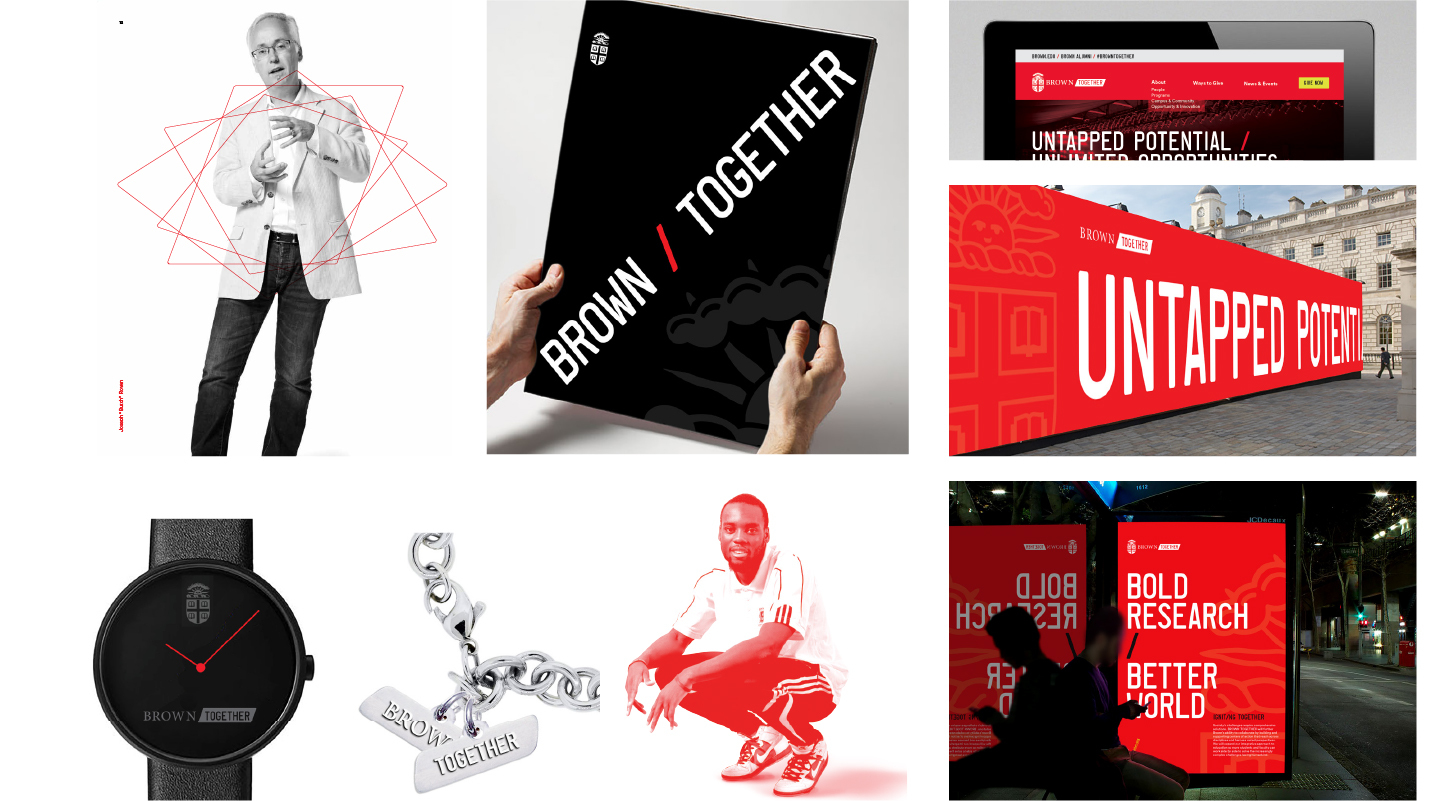
This work went beyond a simple communications plan by creating meaningful points of engagement for major donors throughout the life of the campaign. From the earliest stages, donors had a voice in shaping the campaign’s priorities, its message, and even its creative expression. Once launched, they were engaged through events that showed how philanthropy was advancing interdisciplinary initiatives in real time. And the plan made room for gratitude, ensuring donors received not just a proposal but a personal update on progress from the faculty and students their gifts supported.
That engagement translated directly into results. BrownTogether became the most successful campaign in the university’s history, raising over $4.4 billion and far exceeding its original $3 billion goal.
A donor who feels like a trusted partner is fundamentally different from one who feels stewarded at arm’s length. Your cultivation and stewardship approach needs to create genuine moments of access and influence, not just the appearance of them. Major donors who feel like insiders don’t just renew their gifts. They grow them.
3. Tangible Difference
Unlike mass donors who may give casually and spread gifts across several organizations, major donors need to feel your differentiation before they commit. The stakes are higher, the scrutiny is deeper, and the competition for their attention is real. Doing good work is not enough. You have to communicate clearly what makes your approach distinct: your role in the broader ecosystem, how your values show up in practice, and what you’re doing differently from everyone else in the space.
The New York Climate Exchange is a vivid example. Entering a crowded philanthropic space, NYCE needed more than a compelling climate mission—every organization in their world had one. Our positioning work anchored their identity in something specific to their geography and approach: the conviction that if you can solve climate change in New York, amid its intense regulation, economic complexity, and monumental scale, you can solve it anywhere. That’s not a generic climate mission. It’s a differentiated theory of change that gives donors a concrete reason to put their investment here rather than somewhere else.
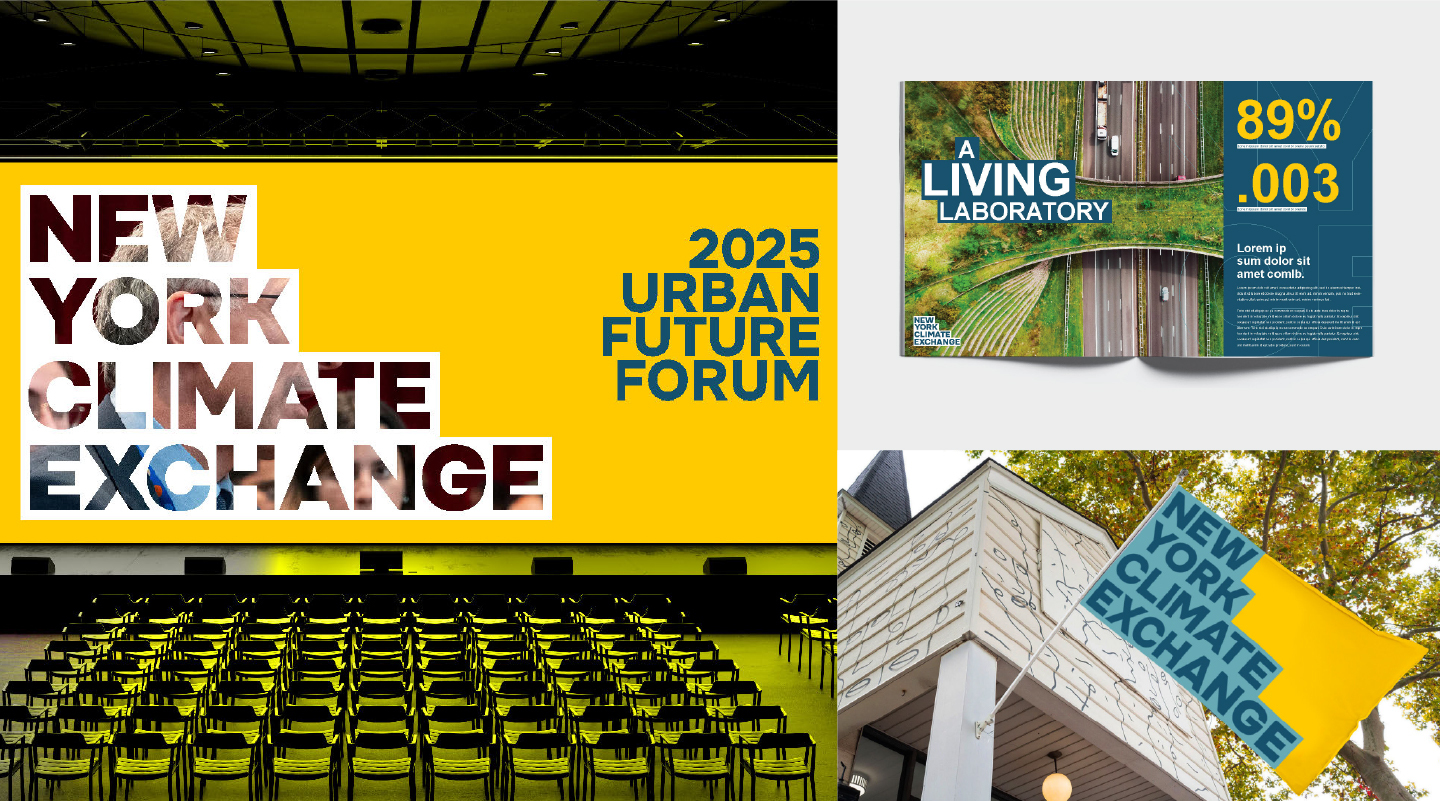
Donors need a crisp, confident answer to the question: why you, and not someone else doing similar work? Get that answer right, and you don’t just earn a gift. You earn a champion.
The Bottom Line: It’s Never Just One Thing
Here’s the uncomfortable truth about transformational giving: donors at this level rarely decide based on a single conversation, a polished brochure, or even a perfectly crafted ask. What moves them is a cumulative feeling—that your organization thinks clearly, acts with purpose, treats them as a genuine partner, and occupies a position in the world that no one else can.